BSP Development & Board Bring-Up
From a bare board and a vendor SDK to a booting, stable Android image with your peripherals working.
Explore this serviceFtechiz / Embedded engineering
Take your device from first boot to production. Get engineering support for AOSP customization, board bring-up, drivers and custom Yocto Linux builds.
Engineer-reviewed. Reply within one working day. NDA available.
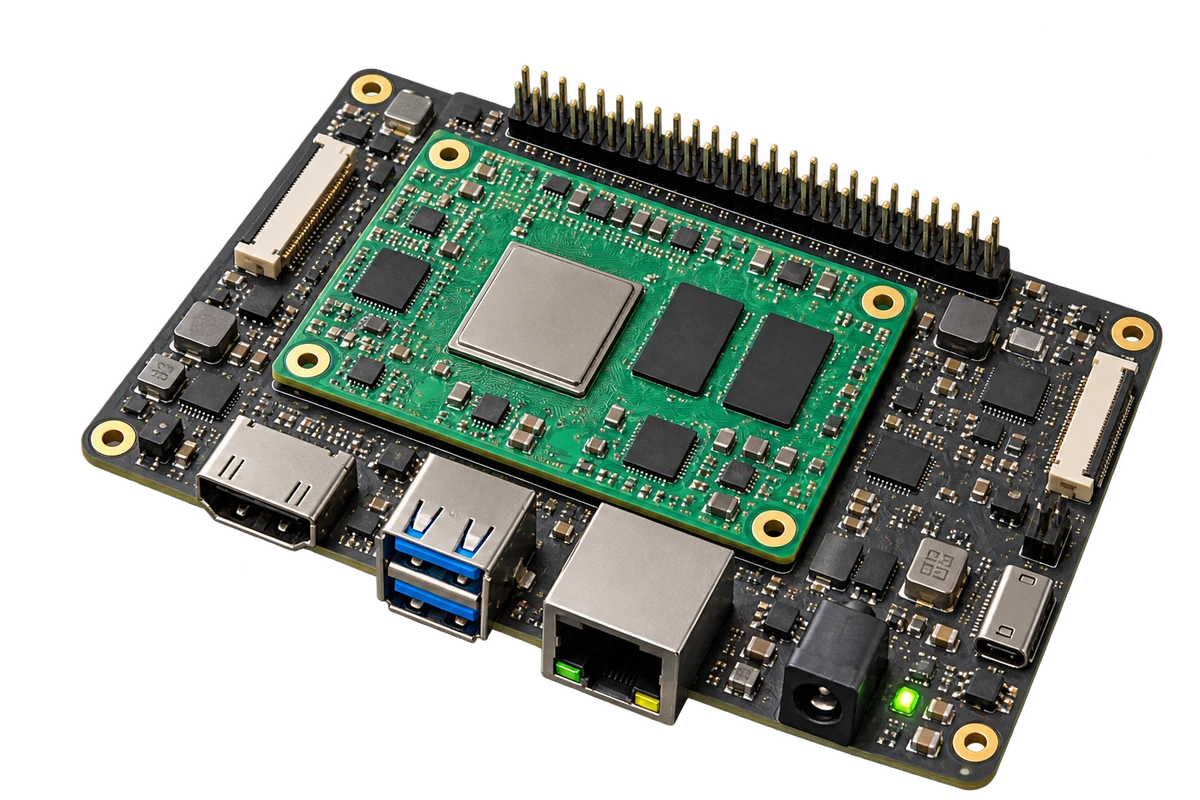
Your board. A production-ready platform.
From bootloader and drivers to Android or Yocto Linux.
Start with your project
A new board, an AOSP product, a Yocto distribution, or a platform that needs fixing. Share a short brief and let us help you define the next step.
Need an NDA first? Mention it in your message. Schematics and confidential files can follow later.
Engineering support
Bring us the whole platform or the workstream holding up your release.
From a bare board and a vendor SDK to a booting, stable Android image with your peripherals working.
Explore this serviceYocto and Buildroot distributions for devices that need Linux without the Android stack.
Explore this serviceFramework modification, custom system services and locked-down device experiences built on AOSP.
Explore this serviceTest suite automation and failure triage that takes a device from first run to GMS approval.
Explore this serviceAlso need kernel drivers, Android HALs, Automotive or OTA security? Include it in your requirements.
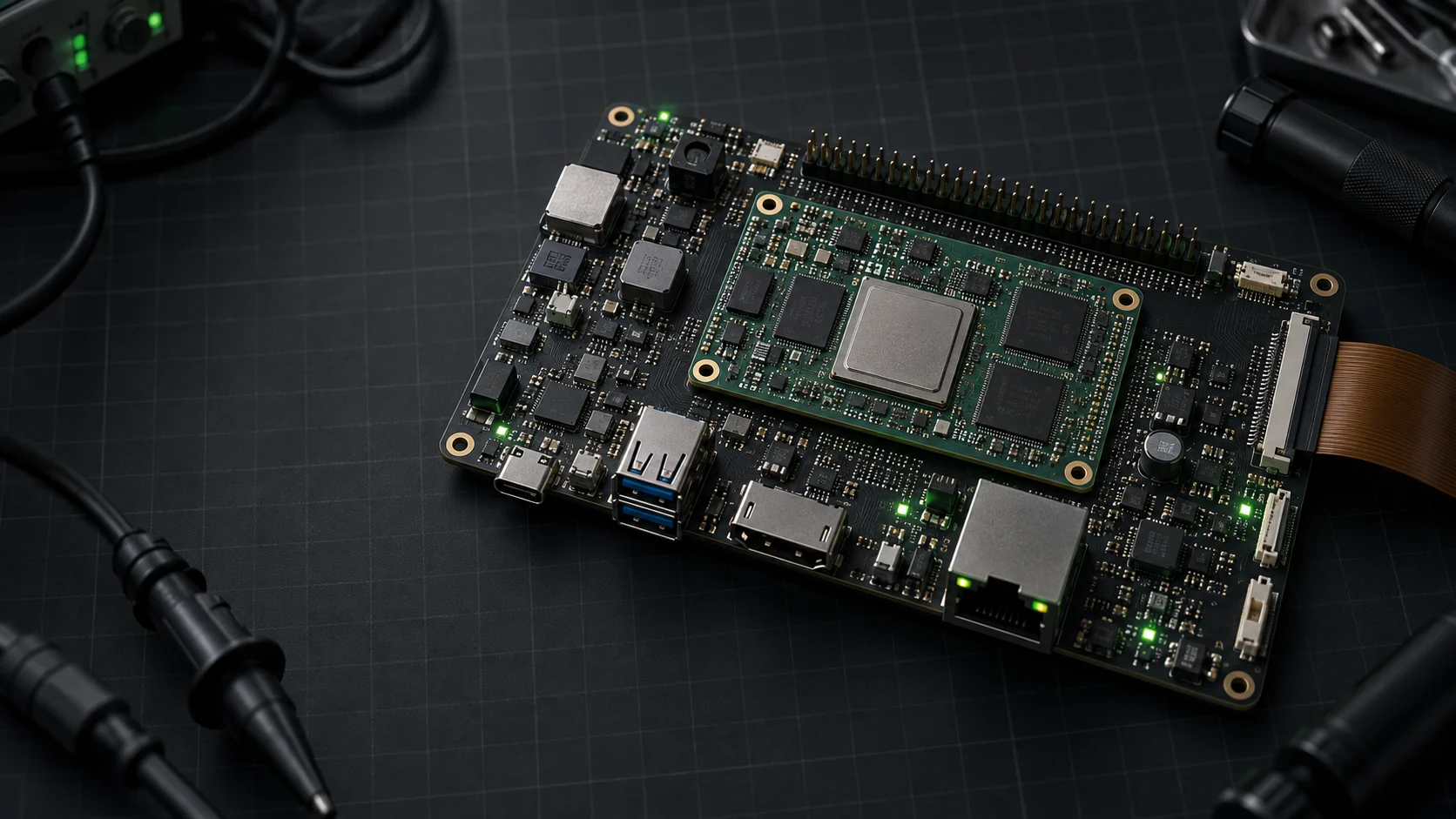
Boards we support
From board to product
Bootloader, kernel, device tree and peripherals brought together around your board and product requirements.
Versioned source, pinned manifests and documented build steps, with working images throughout the engagement.
Validation, security, OTA updates and handover planned alongside development, with maintenance available after launch.
A clear way forward
Tell us about the device, your Android or Linux platform, and the challenge you need to solve.
We clarify the board, current BSP, peripherals and timeline, then identify dependencies and technical risks.
Agree the scope, milestones and engagement model before development begins.
Before we start
Yes. We work on Android BSPs and AOSP customization, as well as Yocto and Buildroot distributions. We can help assess the right platform for your device, hardware support and product lifecycle.
Start with the device you are building, your board or SoC if known, your current software, and the problem or deadline. A short brief is enough to start the conversation; you do not need a complete specification.
Yes. We can review an existing vendor BSP, investigate boot or peripheral issues, migrate a platform, or take on a specific driver, HAL or certification workstream.
Yes. We are happy to sign an NDA before you share confidential schematics, source code or product details. Mention this in your enquiry.
The scope depends on the SoC, vendor BSP maturity, peripherals, target OS and validation requirements. We review those inputs with you before proposing milestones and a commercial scope.
Our engagements include a documented handover of the agreed source changes, build steps and deliverables. We can also maintain the platform through security updates and future releases.
Start with the board, the goal and what is blocking you.